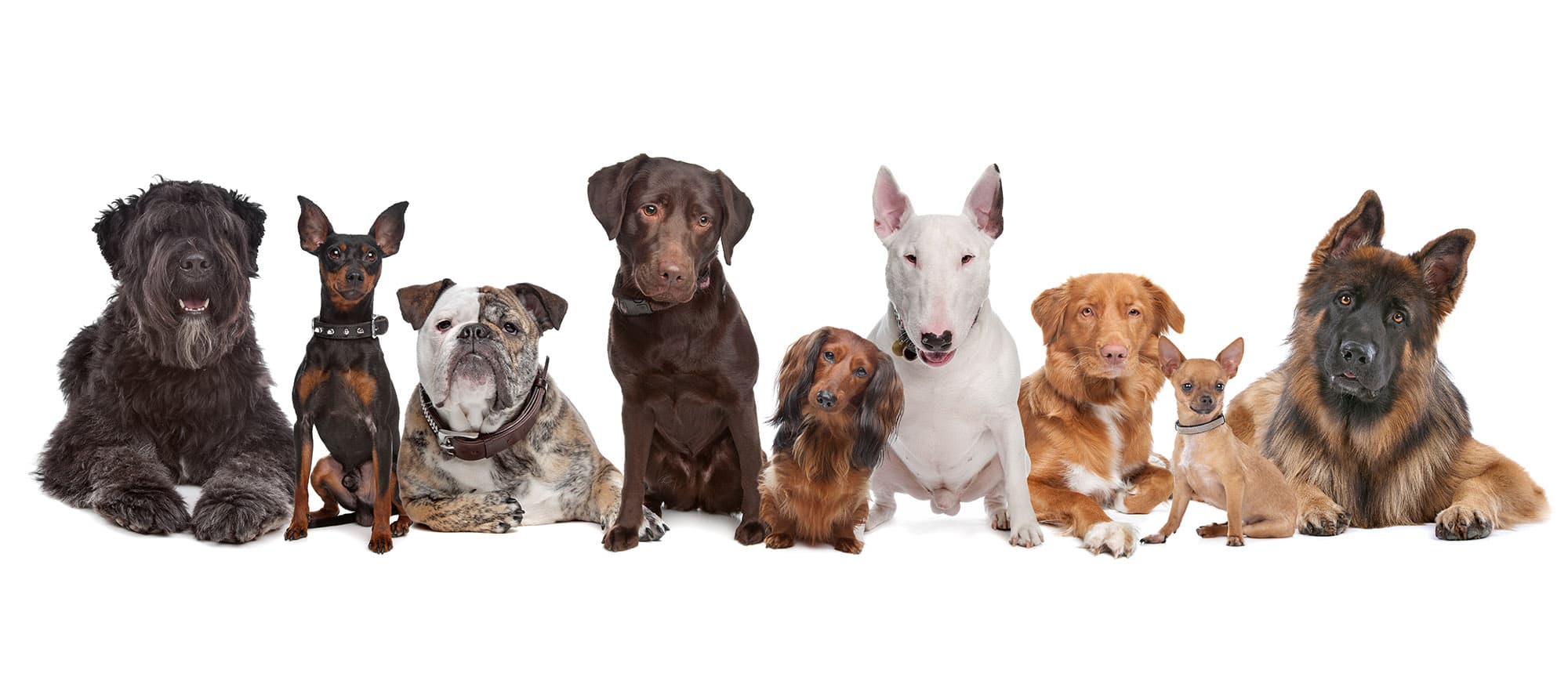
What should I do in the first 30 days with a shelter dog?
Keep the first weeks calm and low pressure, build trust through predictable routines, and start gentle training on day one: reward attention, teach sit, place and come, and reinforce calm. That is the advice Brett Endes gave new adopters in NBC's national Clear the Shelters special, and the full version is below. In home help across Austin starts at $295, call or text (512) 430-7953.
NBC asked me to give new adopters advice for their national Clear the Shelters campaign, and thirty seconds of television forces you to say only what matters most. What I told them was this: the biggest mistake new adopters make is expecting their dog to feel comfortable immediately, and the early work is building trust through calm, low pressure routines.
Both of those segments are on this site, with transcripts. This guide is the full version, the part that does not fit in thirty seconds, drawn from thirty years and more than twenty thousand dogs, a lot of them rescues who started exactly where your new dog is starting now.
If you adopted during Clear the Shelters season, your timing is good. The habits you build in the first month are the cheapest training you will ever do. The same habits corrected a year from now cost real money and real stress. Here is how to spend the month well.
What I told NBC, and why
The first segment was about settling in. Your dog has gone through major life changes, so you want the first few weeks calm and low pressure. After the shelter, your dog wants to know it is safe and settled. Let that be your focus, building trust through routines. With patience and care, the true personality starts to show.
The second was about early training. You can teach commands and tricks initially, but keep it low pressure and built on communication and trust. Simple exercises, rewarding attention, teaching sit, place and come, reinforcing calm behavior, help the dog learn the new environment without being overwhelmed, and the early training is also how the two of you bond.
Week one: shrink the world
A shelter dog walks into your house knowing nothing about it. The kindest thing you can do is make the world small: one or two rooms, a predictable feeding schedule, short quiet walks, a crate or a bed that is entirely theirs. Predictability is what safety feels like to a dog.
Skip the welcome party. No parade of visitors, no dog park, no pet store meet and greets in week one. Every one of those events asks a stressed dog to perform socially before it trusts you, and a bad moment in week one can build a fear that takes months to undo. There will be time for all of it, just not yet.
Training starts on day one, gently
Low pressure does not mean no structure. Structure is the fastest route to trust, because a dog relaxes when somebody competent is clearly running things. From the first day, reward attention: any time your dog chooses to look at you, mark it and reward it. That one habit, attention paid to you voluntarily, is the foundation every later skill sits on.
Then the basics, in short sessions: sit, place, come. Place is the quiet hero for a shelter dog, a mat or a bed where the job is simply to relax. It gives an anxious dog an off switch and gives you a tool for every doorbell, dinner and delivery for the next decade.
The mistakes that undo it
Expecting instant gratitude. Adopters imagine the rescued dog knows it was rescued. It does not, it knows everything changed again. Give it weeks, not days, and let the personality arrive on its own schedule.
Flooding: too many people, places and dogs too fast, because you are excited. And bribery: keeping the dog glued to you with a stream of treats. Treats are a fine reward for a job done. As a management strategy they build a dog that performs for food and falls apart without it. Trust is built through leadership and routine, not through the treat pouch.
Normal, or a call for help
Normal in the first weeks: hiding, a light appetite for a few days, ignoring toys, sleeping a lot, some pacing and whining, accidents in the house even from a dog that was housebroken somewhere else. These usually fade as routines take hold.
Worth a call early: guarding food or spaces with stiffening, growling or snapping, panic when left alone that produces destruction or self injury, lunging on leash at dogs or people, or anyone in the house becoming afraid of the dog. None of those mean you chose the wrong dog. They mean the dog needs structured help, and early help is dramatically cheaper and faster than help after six months of rehearsal.
The Austin part
Austin metro leash rules change at city lines, and a new rescue is exactly the dog to keep legal while you learn its habits. City of Austin land caps leashes at 6 feet, the suburbs each write their own rules, and the full comparison is in my Austin leash law guide on this site.
When your dog is ready for other dogs, my clients do not start at a dog park. Every program includes free lifetime drop in group classes at the Zilker Park meet up, which is socialization with structure, a controlled group, real skills, and me watching. That is the graduation venue for a shelter dog's first month done right.